
3 gastronomy trends for 2026 - where professional kitchens are heading
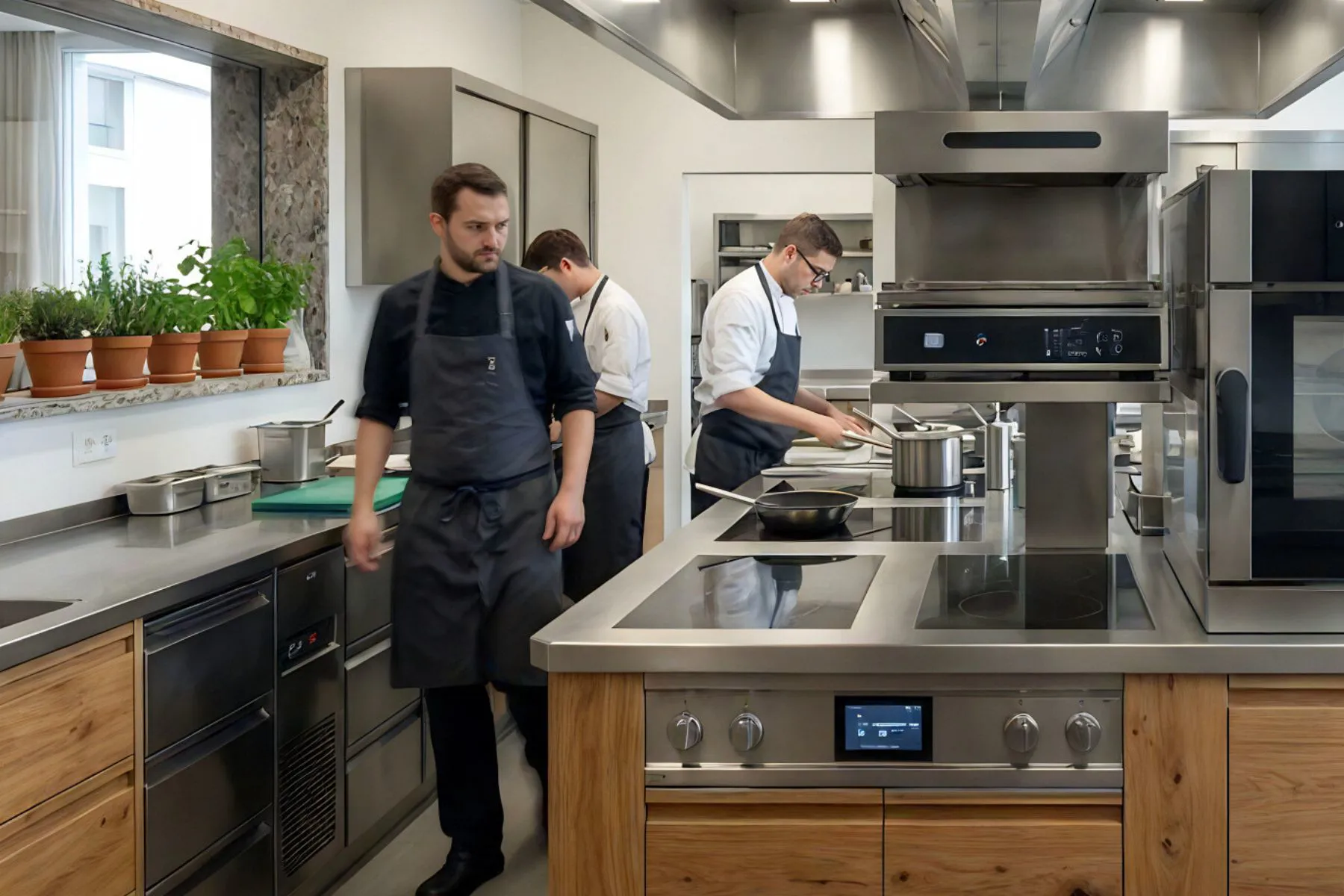
The food service industry will continue to face major challenges in 2026: rising energy and operating costs, a continuing shortage of skilled workers and a growing demand for sustainable business practices. At the same time, technologies and concepts are evolving that address precisely these issues.
But how can restaurateurs prepare for this in concrete terms?
1. more sustainability thanks to the circular economy
In professional kitchens, sustainability has long meant more than just using water or electricity sparingly.
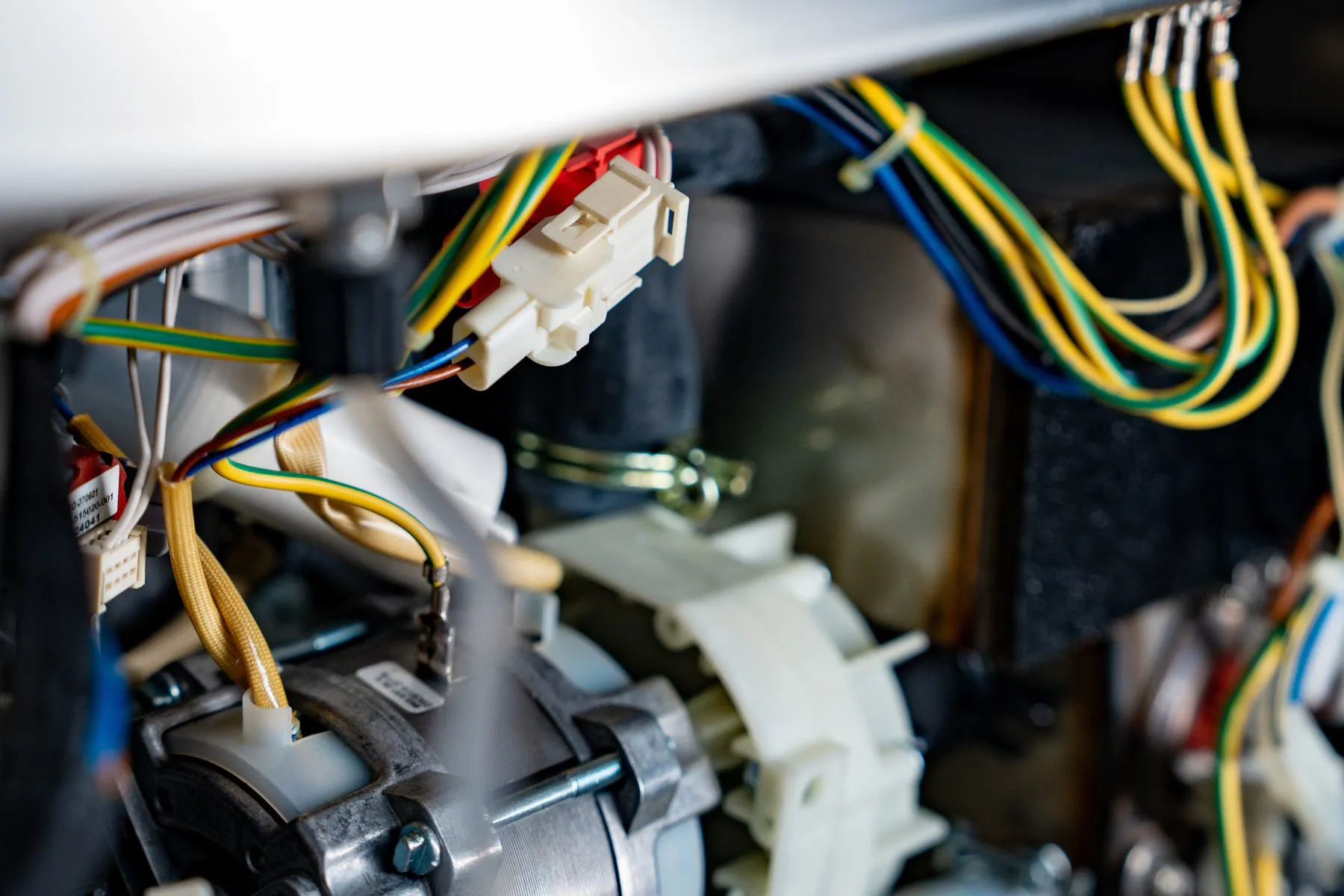
In 2026, the circular economy will come more into focus! Appliances should remain in use for as long as possible, be repairable and be able to be operated sustainably thanks to available spare parts.
In addition, alternative usage models are gaining in importance, for example Mietlösungen in which devices are regularly checked and professionally maintained by the technical service. After the rental period, the equipment is returned to the supplier and extensively overhauled before being rented out again. This ensures that machines remain in reliable use for many years.
Cost-effective procurement alternatives are also becoming more attractive - tested used appliances or Lagerverkauf are in greater demand. Especially when budget, availability and planning security are crucial in everyday life.


2 AI and digitalization as an answer to the shortage of skilled workers
The shortage of skilled workers has been a problem in the catering industry for years and will remain a key issue in 2026. Digital solutions and AI can provide targeted relief here if they are used simply, reliably and practically.
Appliances that automatically recognize food and set the right cooking program independently are now being used in the thermal sector. This means that even less experienced or unskilled employees can achieve consistent results without long training periods. Operation is deliberately kept simple and intuitive - technology supports rather than overwhelms.
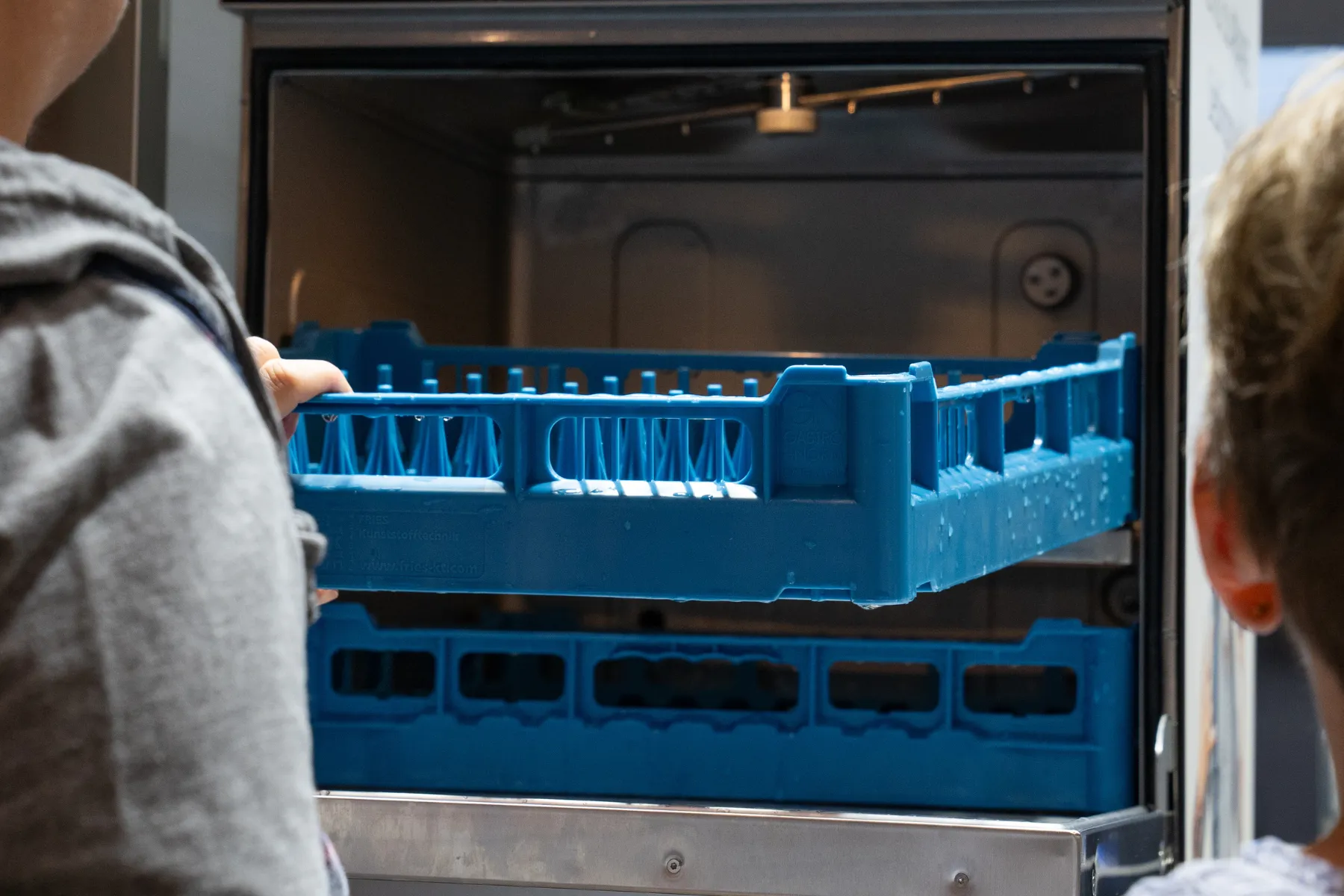
AI is also increasingly finding its way into the dishwashing sector: modern dishwashers automatically recognize the items being washed and adjust water consumption, temperature and detergent dosage accordingly. In addition, many appliances are self-cleaning, which reduces manual effort and further simplifies processes. The trend is clear: AI is becoming a silent helper that ensures quality, saves time and noticeably relieves teams in their day-to-day work.


3. economy, energy efficiency and more flexibility
Rising energy prices and general cost trends make economic efficiency a decisive factor. In 2026, companies will pay more attention to energy- and water-saving appliances, optimized processes and the conscious use of resources - not out of idealism, but out of economic necessity.
At the same time, there is a growing demand for flexible kitchen solutions that can quickly cover capacities at peak times and simplify processes - for example through versatile appliances, short changeover times and standardized workflows.
Today's modern kitchen appliances significantly reduce energy and water consumption compared to older generations. In addition, suitable, efficiently dosed cleaning agents help to further reduce consumption and sustainably reduce ongoing operating costs. Economy does not mean a loss of quality, but rather the targeted use of technology and products where they bring measurable benefits.
Anyone replacing older appliances can also benefit from subsidies. EcoGastro supports catering businesses in switching to energy-efficient technology and, depending on the appliance, can contribute a relevant part of the investment.
The important thing is that EcoGastro provides targeted support for new purchases.
Conclusion
The 2026 trends clearly show where the professional kitchen is heading - away from short-term solutions and towards sustainable, well thought-out concepts. The circular economy is extending the life cycle of appliances, AI and digitalization are taking the pressure off teams in their day-to-day work, and energy-efficient and flexible models are creating economic stability.
The key here is not to follow every new technology, but to choose solutions that measurably simplify everyday kitchen life and make sense in the long term. Thinking about sustainability, digitalization and cost-effectiveness together creates the basis for a future-proof professional kitchen.
Your next steps
Would you like to find out more about these developments or specifically search for suitable solutions? We will be happy to advise you personally and help you find the right devices for your requirements.